Why Your Toilet Keeps Running
Something inside the cistern has worn, jammed or drifted out of adjustment, and that is why your toilet keeps running. Almost always the answer is one of three parts: the inlet valve, the flush valve seal, or a water level sitting above the overflow.
If we're late, $100 comes off your bill

- Licensed and InsuredEvery job done by a licensed plumber. QBCC No: 15024607
- Fixed Quote FirstFlat-rate pricing, agreed before any work starts
- Lifetime Labour WarrantyBacked by our Fix-It-or-It's-Free guarantee (T&Cs apply)
- $0 Call-Out FeesNo extra charge for nights, weekends or public holidays
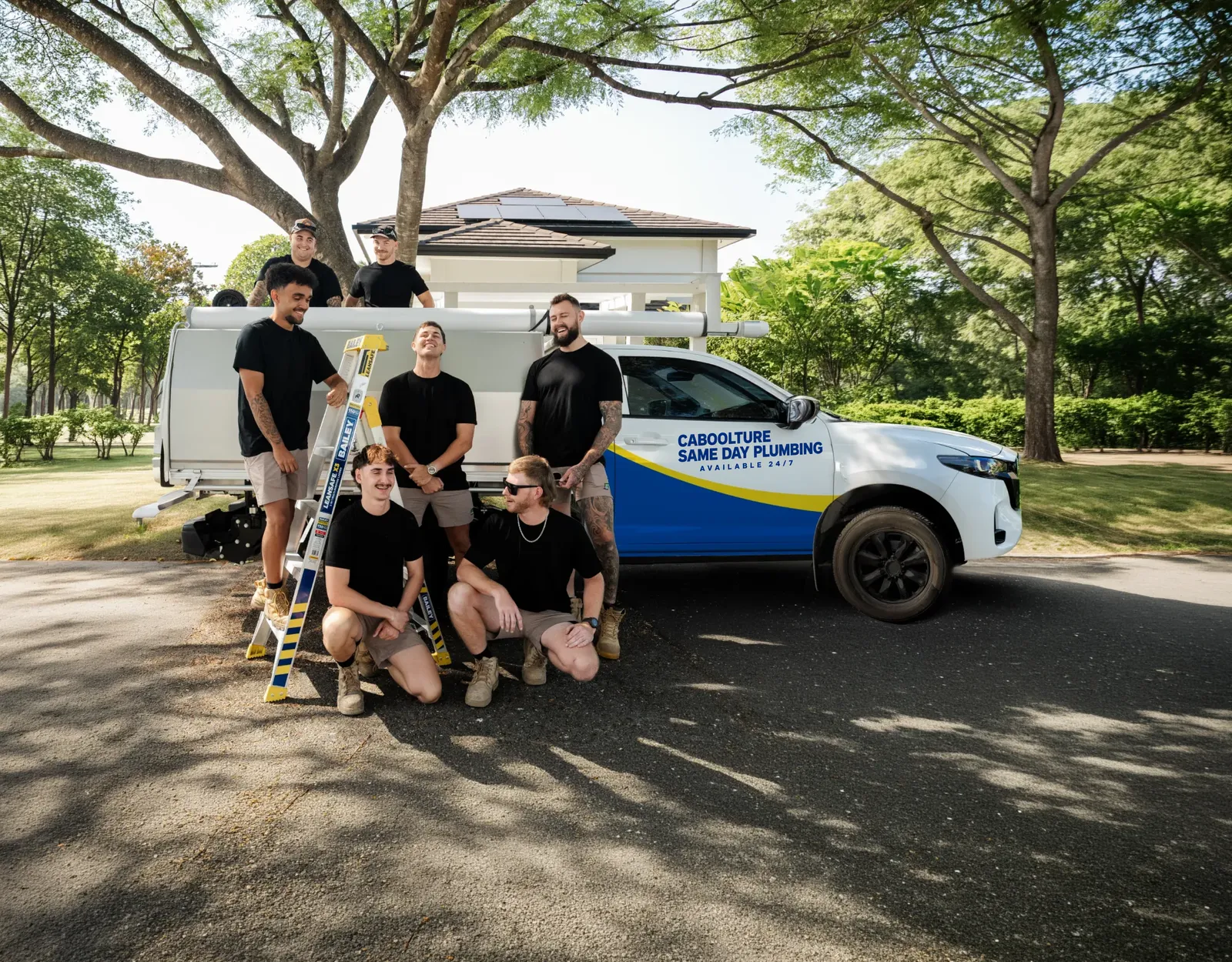
We sort running cisterns all over Caboolture, from weatherboard homes near the old town grid to estates still filling in, and every job is done by a licensed plumber. This guide names the three causes, shows the dye test, and sets out which washers a home owner may lawfully touch.
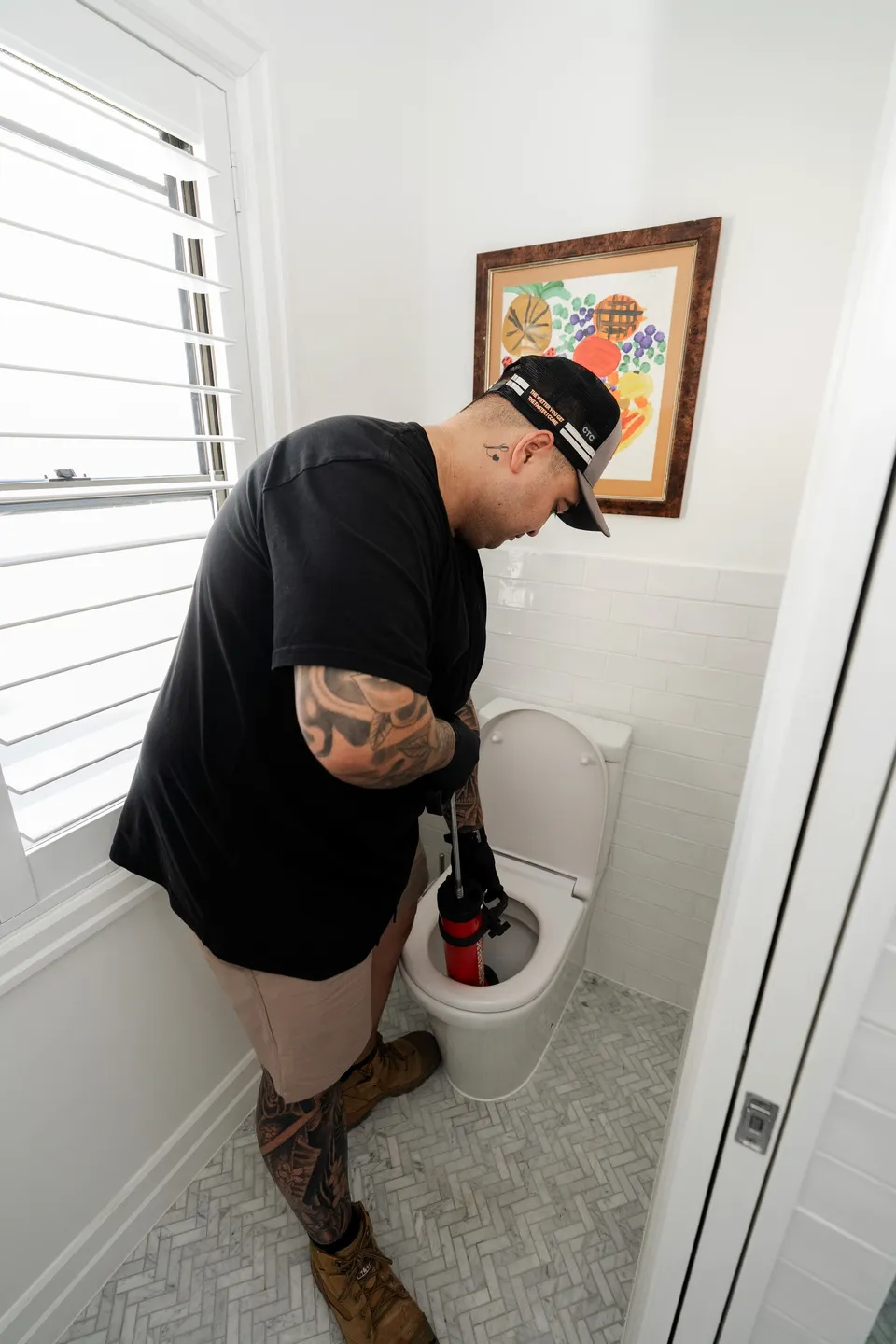
Inlet Valve, Flush Valve Seal and Overflow Explained
Three faults sit behind nearly every running loo. The list: an inlet valve that will not shut off, a flush valve seal that leaks into the pan, and a water level high enough to spill down the overflow.
Each part does one job. After a flush the inlet valve tops the cistern back up, and the float closes it at the set level.
The flush valve, also called the outlet valve, holds the water in between flushes. The overflow works as a spillway, sending excess into the pan instead of across your floor.
What you hear and see names the fault:
- A hiss or trickle that carries on after the refill points to an inlet valve that will not shut off.
- A cistern that refills itself every few minutes, or water creeping down the back of the bowl, points to a worn flush valve seal.
- Water escaping through the overflow, including a drip from the overflow pipe outside, means the level is set past its mark, so the valve or float needs attention.
Water Runs but the Cistern Stays Low
A cistern that will not fill usually comes down to a worn or blocked inlet valve, a float riding too low, or a stop tap only part way open. Start with the stop tap, because one left half turned starves the whole refill.
A slow refill with the supply wide open points back to the valve or the float height. Debris inside the valve, or a float set to close well below the overflow, both fit that picture.
One pattern tells the story. Water running nonstop while the level never rises means the flush valve seal is letting it out as fast as it arrives, so the valve refills forever and the cistern stays empty.
Which Cistern Parts a Home Owner May Replace
Queensland's regulator names three cistern washers as unregulated work: the drop valve washer, the float valve washer and the suction cup rubber. Anyone with the knowledge and skill for those three may do them, with no licence, approval or report required.
The result still has to meet the standards the legislation and codes set. We leave it there: no washer-swapping steps from us.
Everything else on a toilet counts as minor work. That means a QBCC licensee, with no permit and no Form 4.
Rentals split the duties. The owner or manager keeps a Queensland rental in good repair, and the tenant reports a fault as soon as possible. Who holds the wrench depends on the lease, not on the fault.
The Dye Test for a Leaking Cistern
Here is the test: squeeze some food colouring into the cistern water, leave the loo unflushed, and give it time. Any tint reaching the bowl means cistern water is seeping into the pan, which points at the flush valve seal.
Flush once you are done. Ceramic bowls do not hold the colour.
A clear bowl means the flush valve is holding, so the inlet valve and the water level become the next checks.
Out of food colouring? Lay a sheet of dry toilet paper across the back of the bowl, above the water line. It should stay dry unless water is running down behind the bowl, and a wet sheet means the loo leaks.
Does the Water Utility Cover a Running Toilet
No, Unitywater's concealed leak adjustment does not cover water lost through a leaking toilet cistern. Taps, hot water systems and other water appliances are excluded the same way, so a running loo stays on the account.
The property owner carries primary responsibility for leaks on their land and for the water those leaks waste. Sorting the valve early keeps the water bill where it belongs.
When to Ring a Plumber
Ring us when the running will not stop, the cistern never fills, or the dye test tints the bowl. Our toilet repairs page covers what happens from there.
Older stock keeps this fault common. Housing here spans the 1960s through to the newest fills, and a cistern on a street near the golf course that straddles the Bellmere boundary may be any vintage. The older ones wear their washers thinnest.
At the last census fewer than one in five dwellings was owned outright, so plenty of running loos sit in rentals. There the water account and the repair duty both land on the owner.
Running Toilet FAQs
Call (07) 3520 4094Why does my toilet keep running after flushing?
One of three parts has worn or slipped. Either the inlet valve will not close, the flush valve seal lets water slip into the pan, or the level sits so high that surplus runs down the overflow. A hiss that keeps going points at the inlet valve; a cistern that refills itself between flushes points at the seal.
Which cistern parts can I swap myself in Queensland?
The QBCC names three as unregulated: the drop valve washer, the float valve washer and the suction cup rubber. Anyone with the knowledge and skill may handle those, and the result still has to meet the standards. Every other toilet repair is minor work for a licensee.
What does fixing a running toilet cost in Caboolture?
The price turns on which part has failed and how much we strip to reach the cistern and stop tap. You see a fixed quote before any work starts, so the figure is settled before tools come out.
Who repairs a running toilet in a Caboolture rental?
The owner or manager keeps the premises in good repair, and the tenant reports the fault as soon as possible. A repair the tenancy Act does not list as an emergency counts as routine, done within a reasonable time. A blocked or broken toilet makes the emergency list; a running one does not.

Call Us About Your Running ToiletWe'll call you back.
Call (07) 3520 4094 to book a plumber in Caboolture. We're available 24/7, with $0 call-out fees, flat-rate pricing and same-day where we can.
To claim your $0 call-out fee, call (07) 3520 4094 today.